Scottish skin sensing tech could ‘transform’ eczema treatment

Researchers from Edinburgh’s Heriot-Watt University have unveiled what they claim is a ‘ground-breaking’ technology that might revolutionise how eczema is diagnosed and treated, potentially ending years of suffering for millions of patients across the UK.
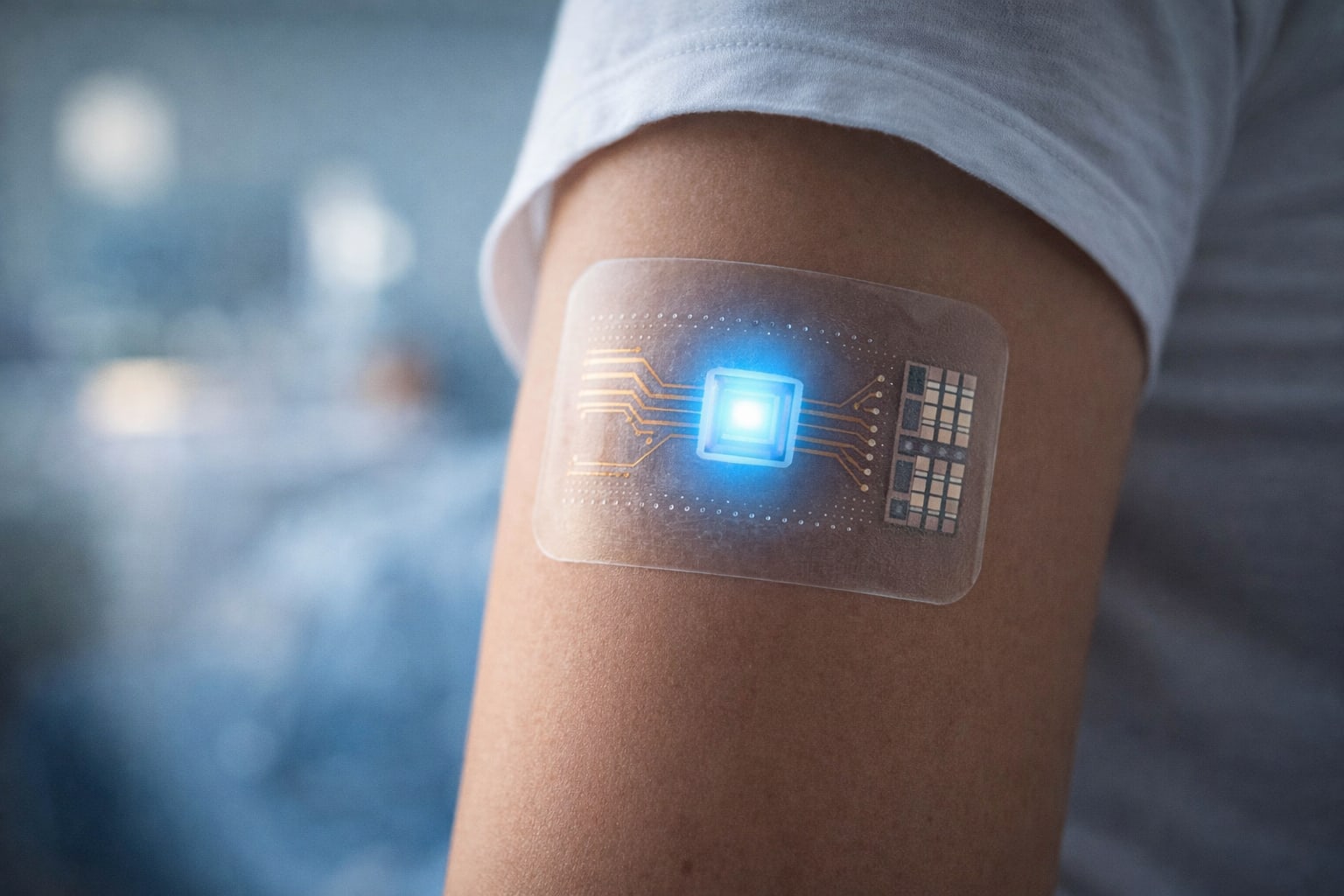
Following £475,000 in funding from Scottish Enterprise and the Medical Research Council’s Gap Fund, scientists from Heriot-Watt have developed an innovative vibroacoustic sensor, which measures material changes in each layer of skin using small vibrations on the surface.
The solution addresses a critical gap in eczema and psoriasis treatment, where patients often face a lengthy and frustrating cycle of trial and error using various creams and medications, with patients on average spending over £500 per year on treatments.

The research behind the new medtech will support the development of a spin-out company, TissueMetrics, which aims to launch next year, but for now, the research team will begin testing the tech on patients with moderate eczema and clinicians, gathering feedback on its usability.
“The planned clinical evaluation will allow us to confidently correlate our objective measurements to those of specialist dermatologist assessments,” said Dr Sara Medina-Lombardero, a research associate at Heriot-Watt.
“Success will set us on a path where the sensor could enable treatment tracking and diagnoses to be made in local pharmacies and community healthcare facilities.”
Recommended reading
While the new tech could help relieve pressure on hospitals and reduce the NHS’s annual £179 million spend on GP visits for eczema, it also promises major personal benefits for patients, with the impact of the condition extending far beyond physical discomfort, affecting mental health, social interactions, and quality of life.
“The constant itching, the sleepless nights, and feeling self-conscious of visible flare-ups all have a psychological toll,” said Asheema Kour, who has been living with severe eczema for several years.
“Every treatment has a physical impact on the body and essentially weakens the immune system. I don’t feel seen as a human being, but more as a test subject, where I am just told if I try another treatment, then it will get better.
“A technology that could actually measure whether my treatment is working, rather than just waiting to see if symptoms improve, would be life-changing.”
Related
link