Can Caterpillars Cause a Skin Rash?
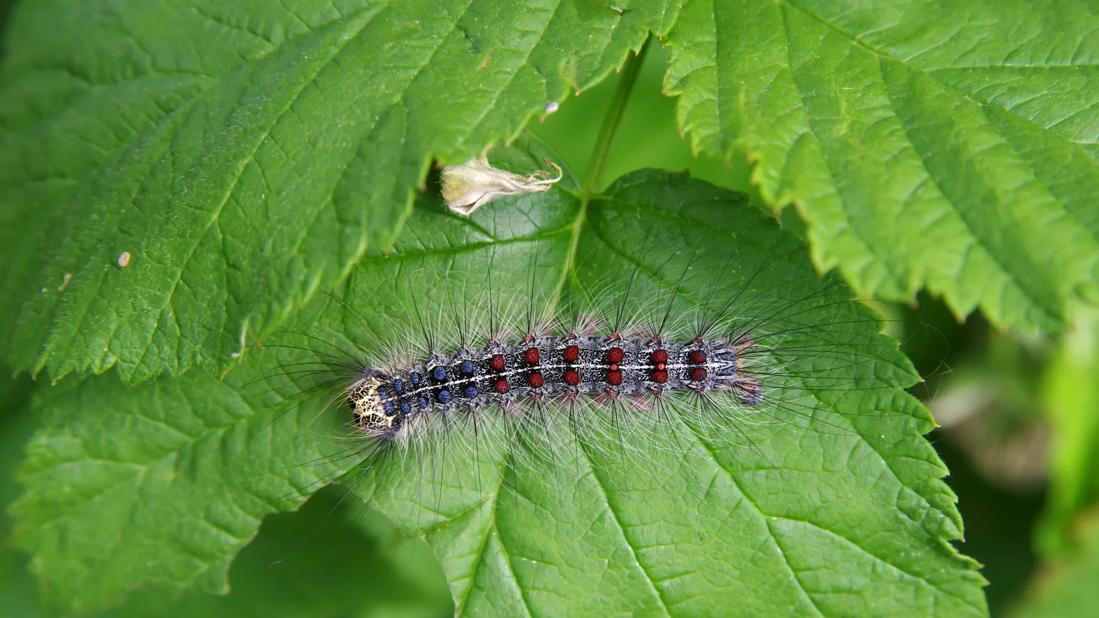
Don’t be lured by the cuteness of a fuzzy caterpillar inching across your path in its adorable way. Picking up one of those little critters may be a decision that you (and your skin) quickly regret.
Advertisement
Cleveland Clinic is a non-profit academic medical center. Advertising on our site helps support our mission. We do not endorse non-Cleveland Clinic products or services. Policy
Emergency medicine specialist Christopher Bazzoli, MD, explains why it’s often better to admire these adorable insects with your eyes and keep your hands to yourself.
Do caterpillars bite?
Caterpillars can munch on things, as anyone who has read the children’s classic “The Very Hungry Caterpillar” knows. But don’t expect them to cause trouble by chomping down on your finger.
They don’t really have teeth. Instead, caterpillars have two mouthparts called mandibles that they use to chew on leaves and other yummy bits of plants.
How do caterpillars sting you?
Tufts of bristly hair can make a caterpillar seem like a living stuffed animal. But the reality behind those hairs isn’t always so cuddly.
The spike-like hairs in about 150 caterpillar species worldwide (50 in the United States) are actually quills connected to poisonous sacs, explains Dr. Bazzoli. Touch these hairs and they may break off in your skin and release a tiny dose of toxin.
It’s a defense mechanism that caterpillars deploy to avoid being attacked and manhandled by much larger creatures. (In this case, you.)
Symptoms of a caterpillar sting
Reactions to caterpillar stings usually stay on the mild side, notes Dr. Bazzoli. On the scale of insect bites, it normally rates as more troublesome than a mosquito bite but not as bad as a wasp sting.
Your body’s response to caterpillar venom may lead to a rash and skin conditions that can last anywhere from a few hours to a few days. Symptoms could include:
- Redness.
- Itching.
- Swelling.
- Welts.
- Blisters.
A more serious allergic reaction — including shortness of breath and difficulty swallowing — could develop if you touch your eyes or mouth after handling a caterpillar. There have even been rare reports of anaphylactic reactions.
Interactions with certain venomous caterpillars also can lead to more serious issues such as brain bleeding (intracranial hemorrhage), kidney damage, slurred speech (dysarthria) and loss of coordination (ataxia).
Treatment for caterpillar rash
So, what’s your first move following the OUCH moment? (After expressing regret for not leaving the caterpillar alone, of course.) Let’s walk through some basic at-home treatment steps to offer relief.
- Remove the toxin-laden hairs from your skin. This is best done by using adhesive tape. Gently put the sticky side against your skin on the affected area and lift, which should pull the hairs out.
- Wash the skin thoroughly with soap and water.
- Apply an ice pack to reduce swelling and pain.
- Create a paste using baking soda and water and slather it on the affected skin to reduce itching. Aloe also works well and has anti-inflammatory properties. A hydrocortisone cream may be used, too.
- Take an oral antihistamine (such as Zyrtec® or Allegra®) if the reaction to the sting worsens.
When to see a healthcare provider
If at-home treatments don’t ease caterpillar rash symptoms and issues escalate — think extreme swelling or difficulty breathing — Dr. Bazzoli recommends talking to a healthcare provider right away or seeking medical attention to be safe.
The best defense against caterpillars
Nature often color codes dangerous creatures, painting them with bright hues that stand out as a warning sign to others in the ecosystem.
But when it comes to fuzzy caterpillars, those markings often signal something else to people: Pick it up and check it out. That curiosity can come with a cost, as many cool-looking stinging caterpillars reside in the United States.
The pain-inducing roster in the United States includes the:
- Puss moth caterpillar, the most toxic caterpillar in North America. It causes hundreds of stings annually. (It’s also called the asp caterpillar, which sounds a little fiercer.)
- Hickory tussock moth caterpillar, a white-and-black critter that seems particularly alluring to kids. A study in Pennsylvania found that 80% of rash-causing exposures involved children.
- Browntail moth caterpillar, an invasive species that’s been declared a “public health nuisance” in Maine.
- Saddleback moth caterpillar, whose stings can cause swelling and redness for up to a week.
The world’s most venomous caterpillar — Lonomia obliqua — lives in South America, primarily in Brazil. It’s sometimes called the “assassin caterpillar” given the deaths it has caused over the years.
But again, venomous caterpillars are a rarity among the more than 165,000 caterpillar species in existence. The vast majority of these cute crawlers are harmless. (Here’s looking at you, Mr. Woolly Bear.)
The best rule to follow? “Let caterpillars be,” advises Dr. Bazzoli. “In general, it’s a good rule for all of us to follow — and I’m guessing the caterpillars will appreciate it, too.”
link