
Breaking the Outbreak: Rethinking Skin-Related STIs and the Stigma Around Herpes and Warts
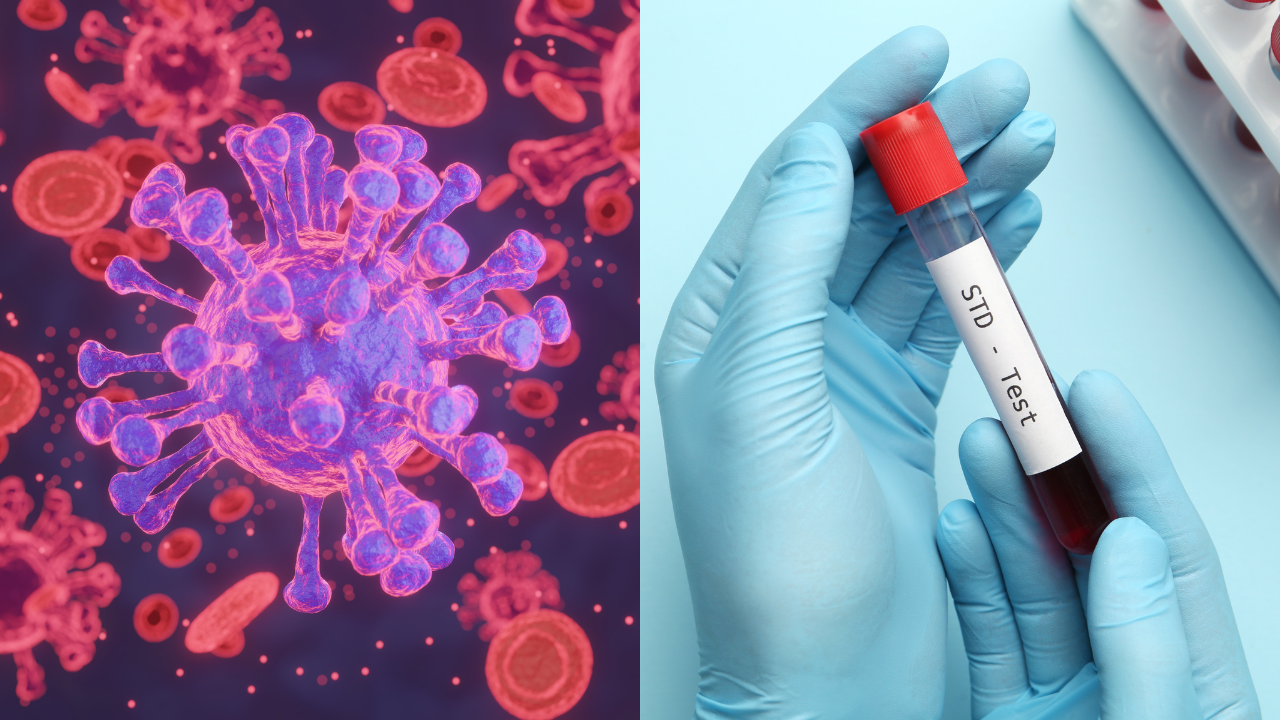
Despite millions of new cases reported globally each year, it remains surrounded by shame and secrecy, preventing open discussions that could lead to better management and awareness.
Genital herpes and warts, both caused by viral infections, have significant physical and emotional effects. Dr. Shifa Yadav, Consultant, Dermatology and Cosmetology at Artemis Hospitals, explains that genital herpes leads to painful blisters, ulcers, and swollen lymph nodes.
The Role of Stigma and Misinformation
The stigma surrounding these infections is deeply rooted in myths and misconceptions. Dr. Banodkar points out that many believe genital herpes is a sign of promiscuity or poor hygiene, but the reality is that anyone who is sexually active can contract it. Since herpes can be transmitted even without visible symptoms, many individuals are unaware they carry the virus.
Dr. Yadav adds that this stigma discourages people from seeking medical help, leading to increased transmission rates and complications. Fear of judgment can result in delayed diagnoses, worsening physical symptoms and emotional distress.
Prevention and Management
Preventing the spread of skin-related STIs requires education and proactive healthcare measures. According to Dr. Yadav, essential steps include:
- Safe Sexual Practices: While condoms and dental dams reduce the risk of transmission, they do not completely eliminate it, as herpes and HPV can spread through skin-to-skin contact.
- Regular STI Screenings: Many infections are asymptomatic, so routine testing ensures early detection and appropriate management.
- Vaccination: The HPV vaccine is a crucial tool in preventing high-risk strains associated with cancer and genital warts.
- Open Communication: Honest discussions about STIs with partners and healthcare providers can help break the cycle of shame and misinformation.
Shifting the Narrative
As cases of skin-related STIs continue to rise, it is essential to challenge outdated beliefs and prioritise education over stigma. Dr. Yadav stresses that these infections do not define an individual’s character or lifestyle; they are common viral conditions requiring medical attention and responsible management. By fostering open conversations, encouraging safe sexual practices, and promoting early diagnosis, society can create a more supportive and informed approach to sexual health.
Ultimately, breaking the stigma around herpes, warts, and other skin-related STIs is not just about awareness—it is about ensuring that those affected receive care, support, and respect without fear of judgement.
link